
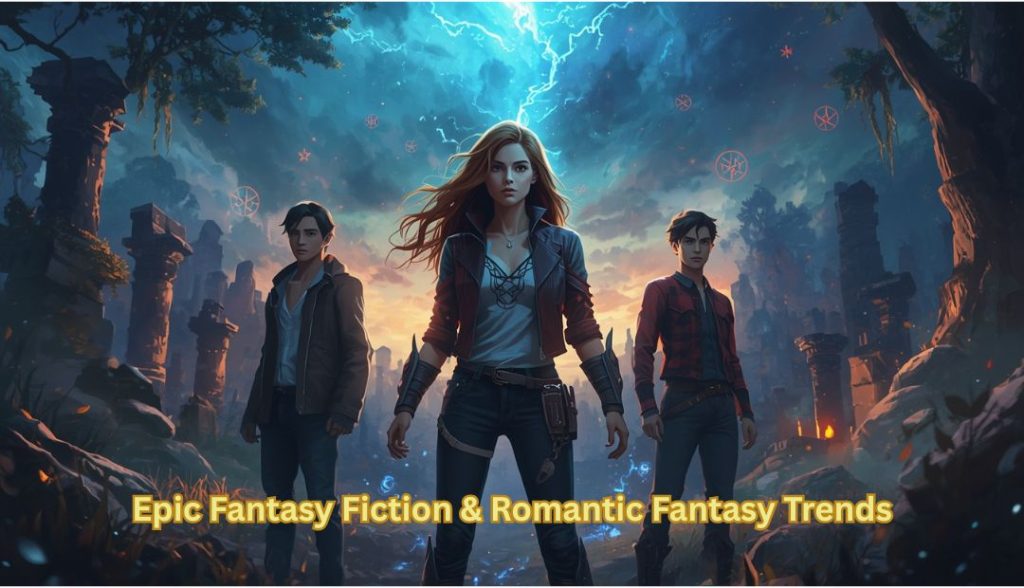
If you’re exploring epic fantasy fiction or looking to understand why the romantic fantasy genre is dominating shelves across the United States, this guide breaks it down clearly without fluff. Whether you’re a reader, parent, or author evaluating trends, this is your practical roadmap to understanding why this genre blend works and why it’s growing fast.
What Defines Epic Fantasy and Romantic Fantasy?
Before diving deeper, it’s important to separate and then connect these two powerful storytelling styles.
Epic Fantasy: The Foundation of Scale and Stakes
At its core, epic fantasy is defined by scope and consequence. These stories go far beyond personal conflicts.
Key characteristics:
- Large-scale worlds: Entire civilizations, kingdoms, or alternate realities
- High stakes: The fate of the world, not just the protagonist
- Prophecies and destiny arcs: Characters are often chosen or tied to ancient forces
- Complex systems: Magic rules, political structures, mythologies
Think of epic fantasy as the infrastructure it builds the world, the rules, and the stakes.
Romantic Fantasy: The Emotional Engine
Romantic fantasy, on the other hand, focuses on emotional depth and relationships without removing the magical elements.
Key characteristics:
- Strong emotional arcs: Growth, vulnerability, internal conflict
- Love intertwined with magic: Romance is not separate it shapes decisions and outcomes
- Character-driven storytelling: Relationships often drive the plot forward
This is the emotional core that makes readers stay invested.
Why the Blend Works So Well
When you combine epic fantasy fiction with the romantic fantasy genre, you get:
- High-stakes storytelling plus emotional relatability
- Action-driven plots plus character intimacy
- Expansive worlds plus personal connection
This balance is exactly what modern readers, especially in the U.S. market, are looking for.
Why Epic Fantasy for Young Adults Is More Popular Than Ever
The rise of epic fantasy for young adults isn’t accidental; it aligns with cultural and emotional shifts in younger audiences.
1. Relatable Heroes in Unreal Worlds
Today’s YA readers want protagonists who feel real, even in magical settings. Imperfect, uncertain, and evolving characters resonate more than flawless heroes.
2. Identity + Destiny Themes
Young adult readers are naturally drawn to stories about:
- Finding purpose
- Questioning identity
- Navigating responsibility
Epic fantasy amplifies these themes through prophecy and transformation arcs.
3. Emotionally Intelligent Storytelling
Modern YA fantasy emphasizes:
- Mental health awareness
- Complex relationships
- Moral ambiguity
This makes the romantic fantasy genre especially powerful within YA storytelling.
A Perfect Example of Romantic Fantasy: The Prophecy of Three
On https://authorjessiebee.com/, The Prophecy of Three: The Melanthia Chronicles stands as a strong example of how to execute this genre blend effectively.
Summer’s Journey: Where Fantasy Meets Reality
The story follows Summer a confident teenager whose life shifts dramatically when:
- Her dreams begin merging with reality
- A hidden family secret comes to light
- She is pulled into an ancient prophecy
This setup aligns perfectly with epic fantasy fiction fundamentals while keeping the emotional experience front and center.
What Makes the Story Work
1. Dreams Merging with Reality
This device bridges modern life with fantasy, making the story accessible to young readers.
2. Hidden Family Secrets
A key driver of emotional tension, reinforcing trust, betrayal, and identity themes.
3. Romance + Tension
The presence of dual romantic interests adds:
- Emotional conflict
- Decision-making pressure
- Relatable human stakes within a magical framework
This is a textbook example of effective romantic fantasy storytelling.
Key Elements That Make This Epic Fantasy Stand Out
To understand what separates average fantasy from compelling storytelling, look at these core elements:
1. Ancient Prophecy
A central pillar of epic fantasy, prophecy creates:
- Direction for the plot
- Urgency and inevitability
- A sense of destiny
2. Strong Friendships
Unlike traditional lone-hero narratives, modern fantasy emphasizes:
- Group dynamics
- Emotional support systems
- Shared growth
3. Betrayal and Twists
Trust is constantly tested, keeping readers engaged and emotionally invested.
4. Dual Romantic Interests
This adds layered complexity:
- Internal conflict for the protagonist
- Reader engagement through choice tension
- Deeper exploration of emotional maturity
Why the Romantic Fantasy Genre Continues to Grow
From a market perspective, the romantic fantasy genre is expanding rapidly in the United States and for good reason.
1. Strong Emotional Connection
Readers are no longer satisfied with a plot alone; they want to feel something. Romantic fantasy delivers:
- Emotional stakes
- Relationship depth
- Character vulnerability
2. Escapism + Realism Balance
This genre offers:
- Escape through magical worlds
- Realism through emotional experiences
That duality is key to long-term reader engagement.
3. Strong Female Protagonists
Stories like The Prophecy of Three reflect a broader trend:
- Female leads with agency
- Growth-driven arcs
- Leadership under pressure
This aligns with evolving reader expectations and cultural narratives.
Final Thoughts: Why This Epic Fantasy Fiction Is Worth Reading
If you’re evaluating whether this genre or this book is worth your time, here’s the bottom line:
What You Get:
- Action + Emotion: High-stakes adventure combined with meaningful relationships
- Relatable Heroine: A protagonist navigating both power and self-doubt
- Genre-Blending Storytelling: Seamless integration of epic fantasy and romance
Why It Matters:
The future of storytelling isn’t just about bigger worlds; it’s about deeper connections. And that’s exactly what epic fantasy fiction blended with the romantic fantasy genre delivers.